

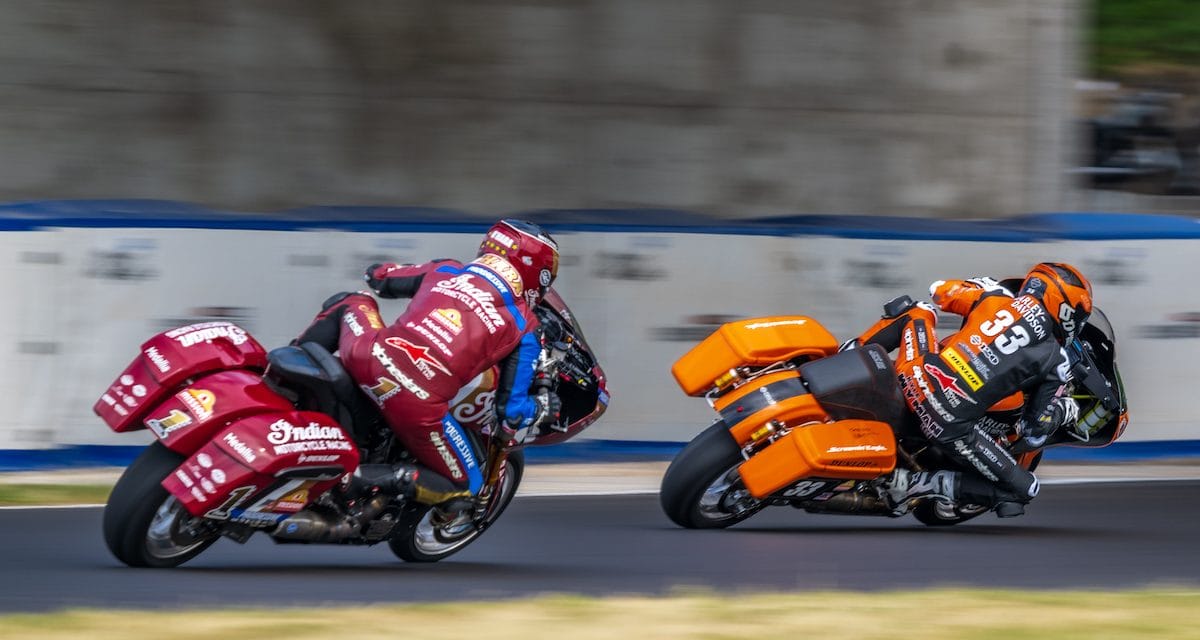
What’s really behind H-D’s MotoAmerica exit?
When Harley-Davidson Factory Racing dropped a bombshell in early October by pulling out of MotoAmerica’s Mission King of the Baggers (KOTB) series, the American V-twin world collectively lost its mind. Once the dust settled and everyone realized Indian Motorcycle was suddenly the last factory standing on the grid, it felt like both a blessing and a curse for the bagger scene.
Fresh off Hayden Gillim’s dominant 2026 championship run—stacking 287 points aboard the J&P Cycles/Motul/Vance & Hines Factory Indian—the Indian faithful didn’t waste a second. Social media lit up with claims that they’d finally “slayed the giant” from Milwaukee and officially owned U.S. bagger racing. The narrative was simple: Harley couldn’t take the heat, so they tucked tail and ran.
Of course, if you look past the comment-section noise, there’s a lot more meat on the bone. Let’s break down what’s actually happening behind closed doors.
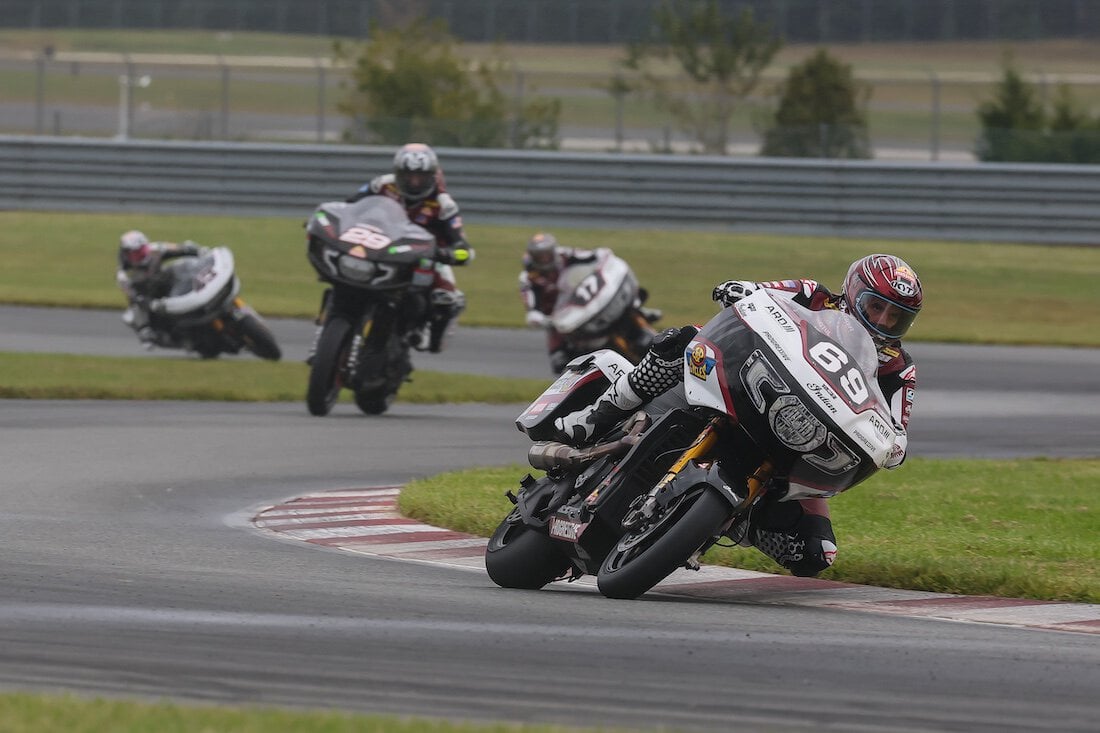
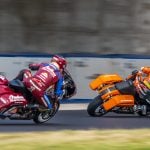
Hayden Gillim on his way to the 2026 KOTB title. Photo by Brian J. Nelson/MotoAmerica.
Keyboard Warriors vs. Boardroom Reality
With both iconic American brands recently shuffling their C-suites—and riding the wake of a spicy social media feud—this racing shakeup was pure gasoline on the fire. Keyboard warriors immediately rushed to their corners. Indian riders claimed victory (pun fully intended), while Harley diehards scrambled to defend the Bar & Shield.
Depending on how your social feed is wired, that turf-war storyline makes total sense. In reality, though, this isn’t just about Sunday bragging rights—it’s a high-stakes battle for survival and global market share.
Look at the front-office chess match over the past year:
- Indian’s New Brass: Los Angeles-based private equity firm Carolwood LP acquired a majority stake in Indian on February 2 and wasted zero time installing former Harley exec Mike Kennedy as CEO.
- Harley’s Course Correction: Late in 2025, Harley tapped Artie Starrs to replace outgoing CEO Jochen Zeitz, handing him the keys with clear orders to stop the bleeding after a prolonged sales slide.
Both leaders are under massive pressure to grow market share and deliver for their stakeholders. While U.S. riders tend to view this rivalry through a red-white-and-blue lens, both brands know the real growth fight is happening on a global stage.
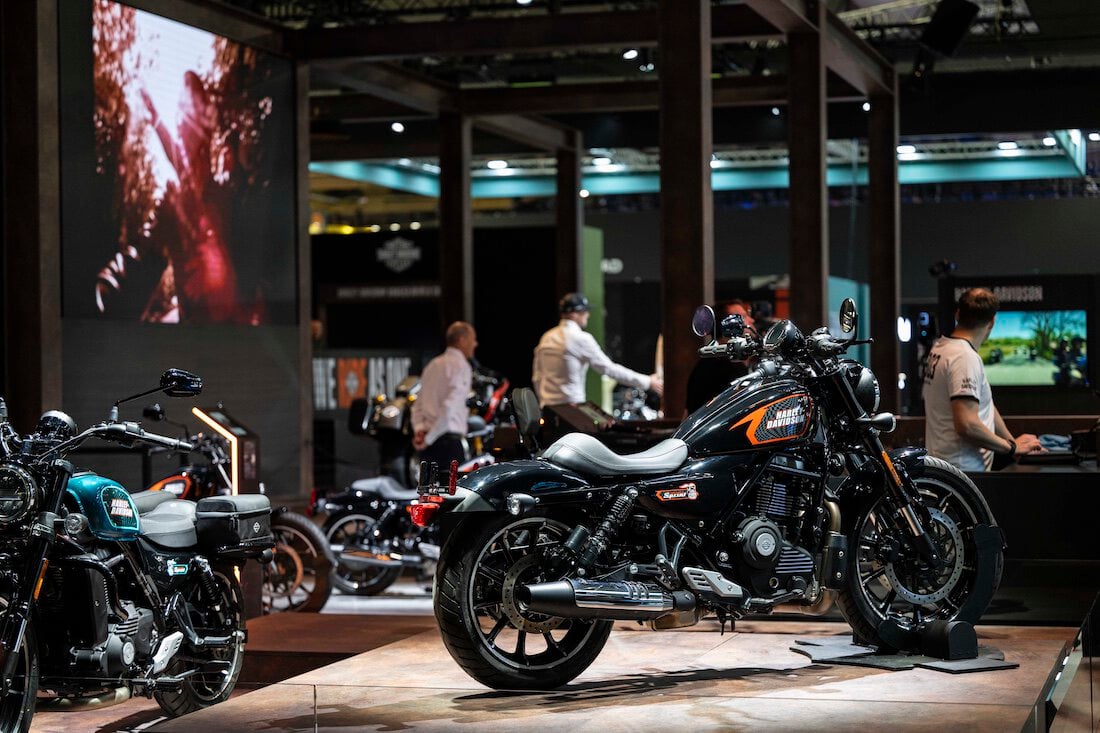
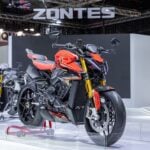
Harley-Davidson Sprint 440 booth at EICMA 2026. Photo by EICMA.
Follow the Floor Space: SEMA vs. EICMA
If you want to see where each brand’s head is at, just look at their recent trade show footprints:
|
Brand |
Trade Show Focus |
Key Play |
|
Indian Motorcycle |
SEMA (Las Vegas) |
Brought a massive, custom-builder-heavy footprint right into the heart of the U.S. automotive and aftermarket scene. |
|
Harley-Davidson |
EICMA (Milan) |
Kept a smaller powersports footprint at SEMA, saving their heavy artillery for Europe—unveiling their full lineup alongside the new, globally focused Sprint 440. |

2026 Bagger World Cup action: COTA, Austin, Texas. Photo by Harley-Davidson.
Enter the Bagger World Cup (and the Liberty Media Factor)
Shortly after waving goodbye to MotoAmerica, Harley-Davidson pulled the curtain back on its real play: the Harley-Davidson Bagger World Cup, a global spec-series running alongside MotoGP.
Connect the dots here, and the strategy gets crystal clear. Liberty Media—the powerhouse that bought controlling interest in Formula 1 in 2017 and supercharged its U.S. popularity by adding races in Miami and Las Vegas—acquired MotoGP in 2025. With F1 already thriving at Circuit of the Americas (COTA) in Austin, Texas, it’s zero coincidence that MotoGP and the 2027 Bagger World Cup will kick off their season at COTA next April.
After debuting in 2026, the 2027 Bagger World Cup expands to six MotoGP weekends across North America and Europe, with Harley backing five teams and 11 purpose-built race baggers.
Meanwhile, MotoAmerica isn’t backing down. They’ve blown the doors wide open for 2027, overhauling technical and structural rules to cut costs, extend engine life, and invite any manufacturer willing to step up to the plate. Two major bagger series—one domestic and open-brand, one global and Harley-exclusive—means 2027 is going to be a wild year to be a race fan.
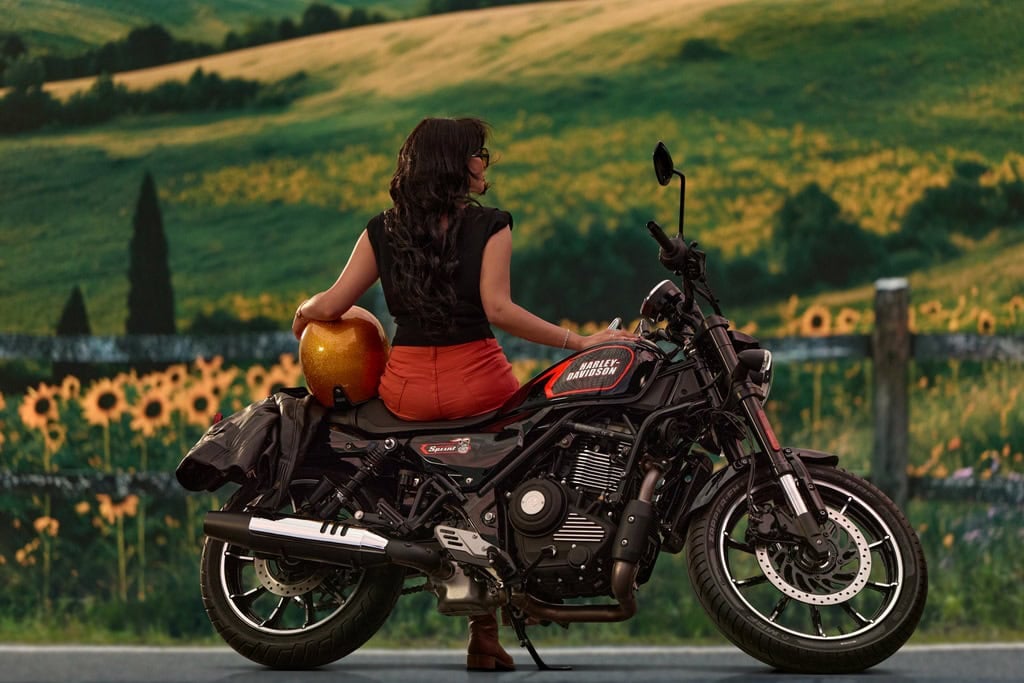
Harley-Davidson Sprint 440, coming to dealerships in spring 2027.
Playing the Long Game for New Riders
Between the MotoGP-backed World Cup and the upcoming Sprint 440—built with manufacturing partner Hero in India and priced under $6,000 USD—Harley’s roadmap is obvious. Rolling out in Japan and other international markets in late 2026 before hitting U.S. showrooms in spring 2027, the Sprint 440 is an aggressive swing at entry-level, global volume.
Indian, meanwhile, is doubling down on its domestic stronghold, chipping away at Harley’s core U.S. market share while leveraging deep custom-culture roots.
At the end of the day, both giants are chasing the exact same prize: bringing fresh blood into two-wheeled culture, including a younger generation that has likely never even operated a manual clutch. Whether you bleed red and gold or orange and black, fierce competition forces both brands to build better, bolder machines. And when that happens, riders everywhere win.
Phil G.
#RideLife
👇 Sound off in the comments: What are your thoughts? Are you watching MotoAmerica’s 2027 open-brand battle, or Harley’s global MotoGP World Cup next season?












0 Comments